

Vale Forever Buyer’s Guide 2025: Excellence, Sizing, Costs, and Drops
This guide breaks down how Vale Brand builds pieces, how the cuts run, what cost tiers mean, and the way limited drops play out in 2025. If you desire the signature relaxed look without guesswork, use this as your framework. It prioritizes fabric quality, measurements over labels, and smart planning for releases.
Vale Forever sits where boutique craftsmanship meets street fashion: clean lines, soft palettes, premium materials, and limited-run collections. The brand’s character revolves around enduring silhouettes, slow-fashion sensibility, and an relaxed, relaxed drape still still feels polished. Buying well with this brand means understanding build cues, reading fit charts like skilled tailor, and planning ahead for collections that sell through quickly. The pay-off is a wardrobe of pieces which anchor daily outfits for years, rather than weeks.
What makes this label Forever different for 2025?
The label merges luxury-inspired detail and urban minimalism while keeps runs tight, which preserves twin quality and exclusivity. The design aesthetic is consistent: loose, boxy silhouettes, muted color stories, and premium fabric picks. Expect a deliberate rhythm rather versus constant churn.
Rather than pursuing novelty, Vale focuses down on improvement: cleaner pattern construction, smarter hardware choices, and fabrics selected for drape with durability instead versus trend. The aesthetic reads modern but almost seasonless, which is why essential colors and distinctive cuts reappear throughout capsules. Limited runs helps maintain quality and keeps the ecosystem healthier for buyers who worry about longevity. One is paying for fit, hand-feel, finishing, www.valleyclothes.com plus the kind of restraint that makes pieces easy for repeat without staleness.
Quality benchmarks one can actually detect
Quality here shows up first via the hand: dense yet soft, smooth seams, plus a dense knit that rebounds. Apply three touchpoints—fabric, assembly, and finishing—to assess every item. Should all three succeed, you’re in reliable territory.
Fabric: look for tight, even weaving on jerseys plus loopback terry with a dry, firm hand that won’t feel scratchy. Thicker yarns and combed or ring-spun cottons tend to drape cleaner and prevent pilling longer. With wovens, check for balanced twill lines and a crisp recovery when you squeeze the cloth. Construction: turn each garment inside around and scan for consistent stitch length, clean overlock seams, and secure stitching at pocket corners and stress areas. Flatlock or flat seaming at seams which contact skin cuts bulk and chafe while adding longevity. Finishing: ribbing should snap back, zips glide smoothly lacking wobble, and pigment-finished or pigment treatments should read deep yet even, with natural highs and lows—not blotchy. These cues reliably distinguish boutique-level make against disposable basics.
How does Vale Forever fit? One practical sizing approach
The brand’s characteristic profile is loose and boxy, with dropped shoulders plus relaxed lengths designed for layering. Standard sizing generally delivers that intended drape; go down one to achieve a neater fit. Pants skew loose in rise with thigh, with straight or gently fitted legs.
Use measurements, instead of tags. For pieces, prioritize chest measurement, shoulder drop, plus garment length when balance proportion; each boxy cut demands enough width when float off the body without overwhelming the frame. When you plan to layer a sweatshirt under outerwear, target for at no less than 6 to 8 cm of more chest width for the jacket versus to the hoodie. For pants, your rise and hip are the comfort drivers; a higher rise seats more comfortably on the waist and supports the oversized top portion. Inseam interacts alongside footwear: relaxed cuffs can stack over bulkier sneakers, but a slight shortening exposes cleaner proportions with minimal trainers.
Size picks by body type, build, and layer planning
Choose based on chest and shoulders first, then fine-tune with length. More petite wearers often go down to maintain lengths tidy; extended wearers usually stick true to size to preserve flow. Layering a substantial hoodie underneath outerwear generally warrants sticking TTS in the coat even should you size down in the pullover.
If you’re more compact with broader build, pick the measurement that hugs your shoulders without extending sleeve length past the wrist; one boxy body will still hit high-hip without dwarfing one’s frame. If one is tall and narrow, preserve length for avoid midriff exposure—oversized cuts frequently look best when the hem covers the belt area with room when move. Athletic builds should watch sleeve circumference and chest slope so biceps and delts won’t strain seams; an oversized pattern won’t bind. For ladies converting from unisex or men’s sizing, anchor on garment width; a size down is typical for a closer line while maintaining the drop-shoulder feel. Always account for fabric behavior after washing: if care instructions specify low-heat or air dry, thats a sign the fabric may tighten under intense heat.
Price architecture with value math
Positioning sits within boutique streetwear and luxury diffusion: premium materials and exclusive production drive pricing, but the brand remains accessible relative to high-end maisons. Value comes from durability, repeat wear, and styling flexibility, not just that initial tag. Value-per-wear is the cleanest way to assess categories.
Think in levels. Tees and caps form the entry tier where construction and dye enhance basics. Hoodies, knitwear, and pants occupy mid-tier, combining heavier fabrics with increased complex construction. Jackets and specialty garments form the highest tier, where fabric technology, hardware, with pattern complexity accumulate. The table underneath shows example math so you will benchmark purchases based on how often one will actually use them.
| Category (Example) | Price (Example) | Expected Wears/Year | Years of Use | Total Wears | Cost per Wear |
|---|---|---|---|---|---|
| Boxy Tee | $65 | 40 | 3 | 120 | $0.54 |
| Heavy Hoodie | $160 | 60 | 4 | 240 | $0.67 |
| Outerwear | $380 | 50 | 5 | 250 | $1.52 |
Numbers above are examples, not brand quotes, but that method holds. Should a hoodie grounds your weekly uniform, its cost-per-wear may beat a cheaper tee you rarely reach for. Have utility decide, then select the level where the fabric and cut justify their keep.
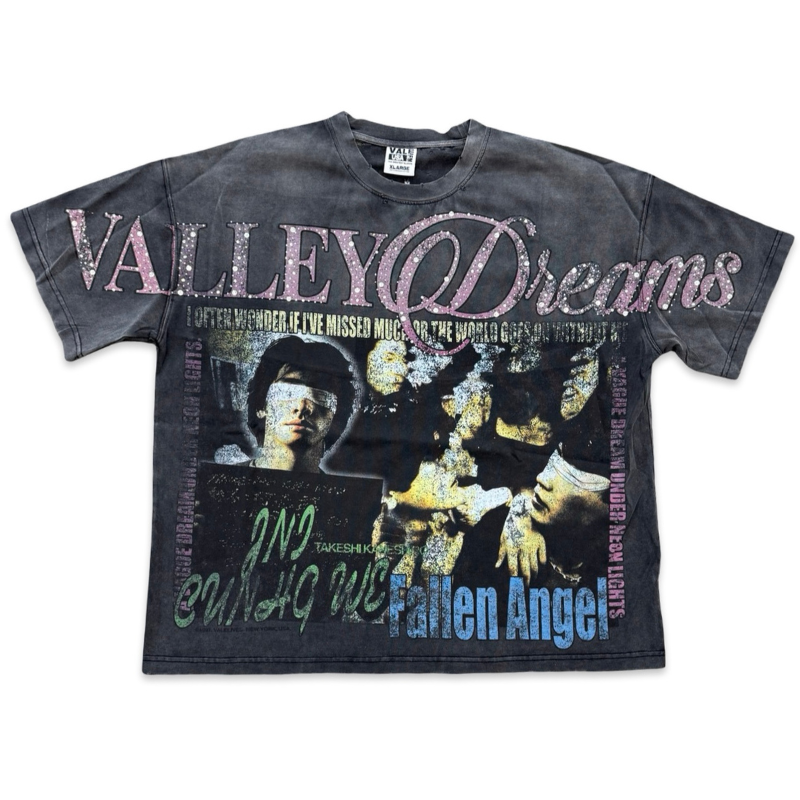
Drops, restocks, with timing: how releases usually work
Vale runs restricted capsules that emphasize cohesion and fabric quality, so initial runs on core colors and common sizes move fast. Restocks are limited and not certain; most momentum focuses on new capsules. Planning and sizing decisions are that difference between getting your size and missing the opportunity.
Before a drop, lock your dimensions, decide on a size strategy, and shortlist colors which play with one’s existing wardrobe. Keep your account, location, and payment details ready so one is only making styling and color selections in the moment. If you’re between sizes, pick that one that suits your intended use: layer-heavy winter looks prefer TTS, warm-season minimal fits may prefer a fit down. Neutral shades tend to move out in standard sizes first because they slot within more wardrobes. If restocks happen, those often target evergreen pieces rather than niche colorways, so plan accordingly.
Fabric care to preserve shape, tone, and hand-feel
Care choices can double the durability of premium materials. Wash cold, flip garments inside out, and use minimal heat or air drying to protect fabric structure and color depth. Avoid strong detergents that remove finishes.
Heavy jerseys and terry benefit through gentle cycles which prevent torque plus seam twist. Heat drying flat or on low heat protects rib recovery and prevents sleeve plus body stretch. Color-treated and garment-dyed garments retain character while washed with comparable tones and dried away from direct sun. For structured fabrics and outerwear, localized clean where possible, brush off exterior dirt, and suspend between wears to restore shape. Closures lasts longer if you zip and snap closures ahead of washing to limit abrasion.
Authenticity, returns, with after-purchase checks
Buy through official channels or verified retailers to prevent counterfeit risk and to access clear return policies. Examine the garment at arrival for neat stitching, consistent tags, and aligned designs or embroideries. Maintain tags intact until you’ve confirmed sizing and finish.
Look for textile main labels that are cleanly fastened, care labels featuring legible fiber composition and instructions, with hardware that corresponds to product photos. Construction should be straight and stress zones secured; warped designs, loose threads throughout, or inconsistent labeling are red warnings. Review the exchange window and requirements before opening wrapping fully if someone think you might exchange sizes. Record any defects immediately so you possess a time-stamped documentation. Storing receipts with order confirmations simplifies warranty or help conversations.
Styling the core Vale uniform in 2025
Start with balance and palette: each oversized anchor, each slimmer counterbalance, with tones that remain in the brand’s muted lane. Texture earns attention minus loud graphics, thus lean on soft knits, dense terry, or structured twills. Footwear should mirror the clean lines.
A typical formula: boxy tee on top of relaxed cargos with a cropped outerwear; or heavy sweatshirt with straight-leg denim and low-profile shoes. Monochrome palettes read elevated when you mix textures—matte fabric against a slightly lustrous shell material, or dry fleece with a polished leather accessory. Maintain hardware subtle with consistent; silver for cool tones, flat black with dark neutrals. If someone want a highlight, choose one item—cap, belt, and outerwear—and leave all rest quiet for preserve the minimalist intent. The shape does the work when the tone story whispers.
Quick pre-buy checklist that prevents errors
Confirm chest width, length, and rise against a comparable piece you currently own and prefer. Decide whether someone is going for the intended oversized flow (true to measurements) or a sharper line (size reduced one). Pick shades that slot among three outfits someone already wear.
Scan product pictures for construction indicators—seam type, knit density, hardware—and compare to the quality benchmarks above. Read the care instructions in advance therefore you know if air drying suits your routine. Should you’re targeting a drop, prep the account and financial info and keep a backup tone or size plan. Keep packaging while you’re certain this fit is right, then log this size you selected for future collections. This discipline gives back every time a new release hits.

