

How to Authenticate a Coach Bag
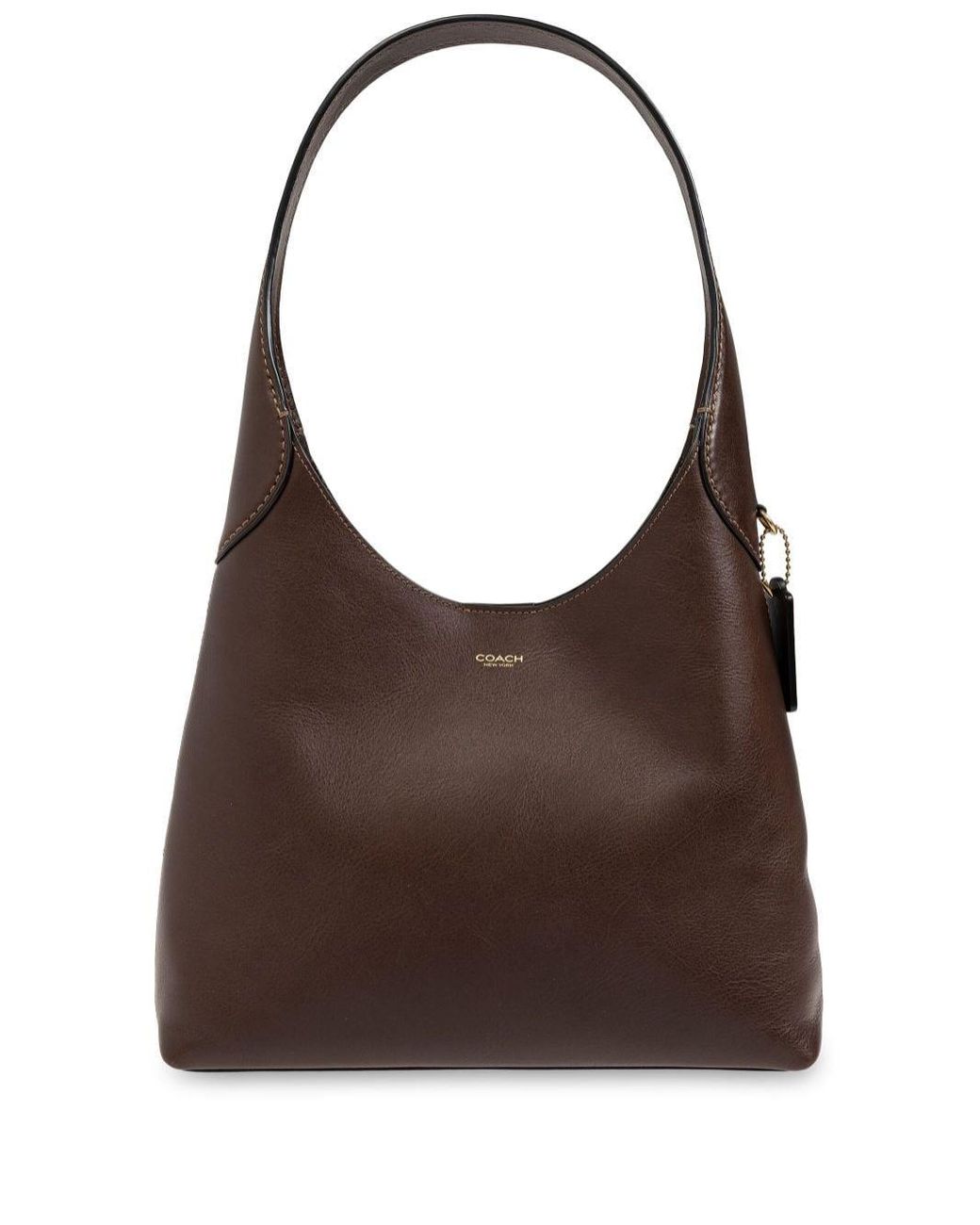
Knowing how to authenticate a coach bag is important because counterfeit coach handbags copy the first details buyers check. Coach will not authenticate bags for shoppers and will not confirm serial numbers, which is the most important fact to keep in mind before any checklist. The matter will not be settled by contacting Coach by phone or email. Several signals have to be weighed together instead, led by where the bag came from. Not one mark confirms that a bag is genuine, while one odd detail does not always mean a copy. The steps below are arranged from most to least useful, with each one explained further down. The physical checks are based on resale and authentication guides rather than Coach’s own publications.
- Establish where the bag was purchased.
- Read the Storypatch or creed and feel the stamping.
- Compare the code format to the advertised era.
- Read an F prefix as an outlet signal, not a verdict.
- Look closely at the hardware, stitching and leather.
- Test the seller’s story against Coach history.
- Ignore packaging and dust bags when deciding.
Step 1: Begin With the Point of Sale
The point of sale provides the strongest evidence. According to Coach, authentic goods are available from its own retail stores, Coach Outlet stores, its official website and authorised department or specialty stores. Coach Outlet is Coach’s own official channel, and so cosch store Coach Outlet items are genuine Coach. A separate discount site reached via a social media ad is not the official outlet, which for online shoppers is a section within Coach’s own website. A coach bag sale on an unfamiliar site offering 70 to 90 percent off everything fits the reported scam pattern of copied photos, misspelt brand names and checkouts that accept payment apps or crypto. This rule about the point of sale applies to coach clothing and shoes, although the code formats below cover bags. Request a receipt or order confirmation from an official source if you are buying a secondhand coach bag.
Step 2: Check the Storypatch or Creed
Today, the sewn-in leather patch goes by the name Storypatch at Coach. It features a concise statement about Coach craftsmanship and a unique registration number, and Coach says every Coach bag has one. Coach promotes the patch as a mark of authenticity, but patches can be imitated, so a patch cannot by itself prove that a bag is real. According to guides, the text should be pressed or heat-embossed into the leather so that you can feel it, rather than being printed on the surface. Look for even, straight stitching around the patch. The earlier creed, seen on older bags, first appeared in the late 1960s or early 1970s without a serial number. Guides also report «Made in New York City» on the earliest pieces and «Made in United States of America» from the 1970s to the early 1990s.
Step 3: Match the Code to the Correct Era
Serial and style codes changed over time, and the formats below are based on resale guides rather than from Coach. As codes from about 1994 to about 2006 follow a reported pattern of month letter, year digits and factory letter before the style number, they are the only codes that can be decoded. A number that turns up on two bags is a red flag if the bag dates from before about 1994, because bags from that era carry numbers only, commonly hand-stamped and unique to each bag. From about 2006, the first block of the code has not been decoded publicly, so it cannot date a bag. New style-number formats from about 2020 are also described in guides, although the descriptions do not match every recent code. No universal decoding scheme is available, which means a seller who claims one is stretching the evidence. Turn to the table to see whether a code at least suits the era the seller claims.
| Time frame | What resale guides describe | Can the code show the date? |
|---|---|---|
| Late 1960s to early 1970s | Earliest creeds, first made without a serial number | No serial number to decode |
| Prior to about 1994 | Numbers only, often hand-stamped | Not possible |
| Roughly 1994 to roughly 2006 | Month letter, then year digits, factory letter, dash and style number | Yes, by month and year |
| About 2006 onward | A letter and four digits, a dash and the style number | No public decoding |
| Prior to about 2020 | On made-for-outlet items, an F before the style number | Shows outlet channel only |
| About 2020 onward | Newer style-number formats | Guide descriptions are approximate |
Step 4: Interpret the F Prefix Correctly
Among all the code details, the F prefix creates the most confusion. An F positioned after the dash on the creed started the style number on made-for-outlet items until about 2020. Built for the outlet channel, these items are genuine Coach products all the same. Certain sellers and forums see the F as a warning sign of a counterfeit, but that belief is mistaken. The letter also stopped being a reliable signal once Coach moved to new style-number formats around 2020. A newer bag that lacks an F is therefore no proof of a full-price boutique item. These days, the most dependable way to know an item came through the coach outlet channel is to have bought it from a Coach Outlet store or the outlet section of Coach’s website.
Step 5: Examine Hardware, Stitching and Leather
Physical checks help, but they are clues rather than proof. In guide descriptions, genuine turnlocks and kisslocks feel solid and weighty and have clean engraving. All stitching should appear straight and even across the whole bag. On vintage bags, glovetanned cowhide should soften and develop a patina with use. A bag advertised as vintage leather with plasticky or peeling material should raise a red flag. A common point in guides is how the «C» pattern matches up at the seams on a Signature canvas coach shoulder bag. Compare every detail with close photos of the same style from an official listing, rather than with another resale photo.
Step 6: Measure the Story Against Coach History
The story a seller tells has to fit Coach’s own history. Since the Signature «C» canvas dates to 2001, a «vintage 1980s Signature C» bag counts as a red flag. The brass turnlock was introduced in 1964, so it should not appear on a genuine bag described as older than that. The Tabby launched in 2019 and the Pillow Tabby in 2021, while the Rogue debuted in 2016 and was relaunched in 2021. The Brooklyn launched in August 2024, and the Empire Carryall came out in February 2025. Even when they recreate a decades-old shape, Coach Originals are new reissues of archival designs, not vintage bags. Look closely at names too: the Swinger from 1987 and the Swing Zip from 1998 are not the same bag.
Step 7: Do Not Rely on Packaging
Among the parts of a Coach purchase, packaging and dust bags are the easiest to fake. Boxes, dust bags and other packaging can be copied cheaply and added to any bag. Guides note that counterfeits often come with a dust bag, while genuine outlet purchases may arrive without one. A missing dust bag therefore says little, and a perfect one says even less. Whether the packaging seems perfect or is missing entirely, never let it drive the decision. Listings whose photos focus on boxes and dust bags instead of the patch, hardware and stitching deserve particular suspicion. Evaluate the bag itself and its purchase history, and then treat anything that comes with it as a bonus.
Where Sources Disagree and the Final Call
Authentication guides do not agree on everything, and it is better to say so plainly. Some third-party blogs claim that a phone call to Coach customer service will check a serial number; Coach’s own brand protection guidance, however, says it does not confirm serial numbers. Guides disagree on how to describe the codes used since about 2020, and their descriptions do not fit every recent bag. A few blogs describe outlet-only stamps or tag wording, but Coach has not documented them, so do not depend on them. Guides and sources also disagree on how much outlet and full-price materials differ, and no public Coach comparison exists. A good coach review, however useful, cannot confirm that a particular bag is genuine, although it can tell you whether a style is worth buying. Where the point of sale is unknown and several checks fail, step back from the purchase, and report suspected counterfeits through Coach’s counterfeit report form or hotline.

